International Association of Private Career Colleges
  • Home
  • What IAPCC Does
  • Career Colleges
  • Membership
  • Quality Assurance
  • Code of Ethics
  • Contact
  • Home
  • What IAPCC Does
  • Career Colleges
  • Membership
  • Quality Assurance
  • Code of Ethics
  • Contact

What IAPCC Does

​Who We Are

IAPCC is a global umbrella membership organization for private providers delivering career education and training. It operates a Code of Ethics to which all members are bound, facilitates a quality assurance program and represents the private career college industry. 
Legal Status

IAPCC is an independent, non-government and non-profit organization established under Swiss law to represent private post-secondary education providers and to promote quality. IAPCC is registered as an association with the Canton of Geneva.

Geneva has unique international status. It is home to the United Nations, the International Committee of the Red Cross, 179 permanent diplomatic missions and over 400 non-government organizations.
Purpose

IAPCC provides the following services to its members:
​
  • ​Fostering and promoting high educational standards and IAPCC’s Code of Ethics (PDF) in the field of private career education
  • Membership services for private career colleges globally. As a champion for the private education sector IAPCC provides high-quality, professional support, advice and intelligence to meet the need of our members and its student body
  • Encouraging the development of improvements in the fields of education in the career college sector through research into new trends and ideas in education and training
  • Acting as a liaison between private career colleges, the various levels of government, and different geographical or political jurisdictions in any matters pertaining to the operation of these schools, and cooperation with said parties in promoting a better understanding between them
  • Industry peer review body that oversees the maintenance of quality standards of providers who voluntarily elect to obtain industry-based quality assurance certification. This quality assurance service is also available to those who fall outside national training agendas or systems​
  • Collecting statistical and other information pertinent to the career college sector and disseminating it to its members, guidance counsellors and to the general public
  • Disseminating information of a general, economic, social, educational and governmental nature to member organizations
  • Securing and presenting the view of its members to other organizations, governmental agencies, legislatures and the general public
  • Promoting the best interests and general welfare of private career college students
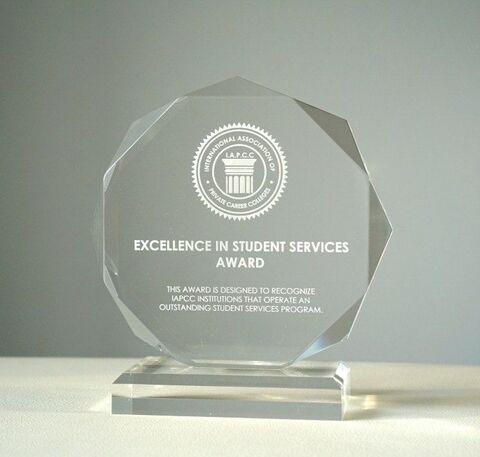
  • ​Excellence in Student Services Awards recognizing and encouraging member schools who operate an outstanding student services program.
Picture
Picture
Picture
Picture
IAPCC member institutions believe in
​
  • Putting students first
  • Supporting student access to career education
  • Providing quality career education
  • Acting in compliance with all regulatory body policies and legislation
  • Responding to and meeting emerging workforce needs
  • Satisfying students and their employers with market-focused programs and services
  • Operating with integrity and sound ethical practice in order to benefit our markets, employees and communities.​​

IAPCC white paper and policy briefing paper
​

This white paper outlines how private career colleges (PCCs), supported by the International Association of Private Career Colleges, strengthen workforce development by delivering market-aligned, applied training that can be updated quickly in response to changing employer needs. It argues that PCCs help close skills gaps through streamlined governance and close industry collaboration, offering shorter, career-focused programs that accelerate employability and support rapid retraining, especially for displaced workers and learners who are often underserved by traditional pathways.
​

The paper further positions PCCs as contributors to productivity growth and social mobility, linking targeted skills formation to stronger organisational performance, higher workforce participation, and more inclusive access to economic opportunity. It highlights how practical learning models, emerging technologies (including immersive training tools), and sustainability-focused curriculum elements can improve graduate adaptability and relevance, supporting national resilience, inclusive growth, and social cohesion in an economy undergoing structural change.

Access the PDF at: Private Career Colleges and the International Association of Private Career Colleges (IAPCC) Advancing Workforce Development, Productivity Growth, and Social Mobility through Market-Aligned Education


IAPCC
International Association of Private Career Colleges
IDE Number: CHE-301.670.771. REG
Identifier: 1-3GSWK1. UAI ID: AA3170
Copyright © All Rights Reserved